
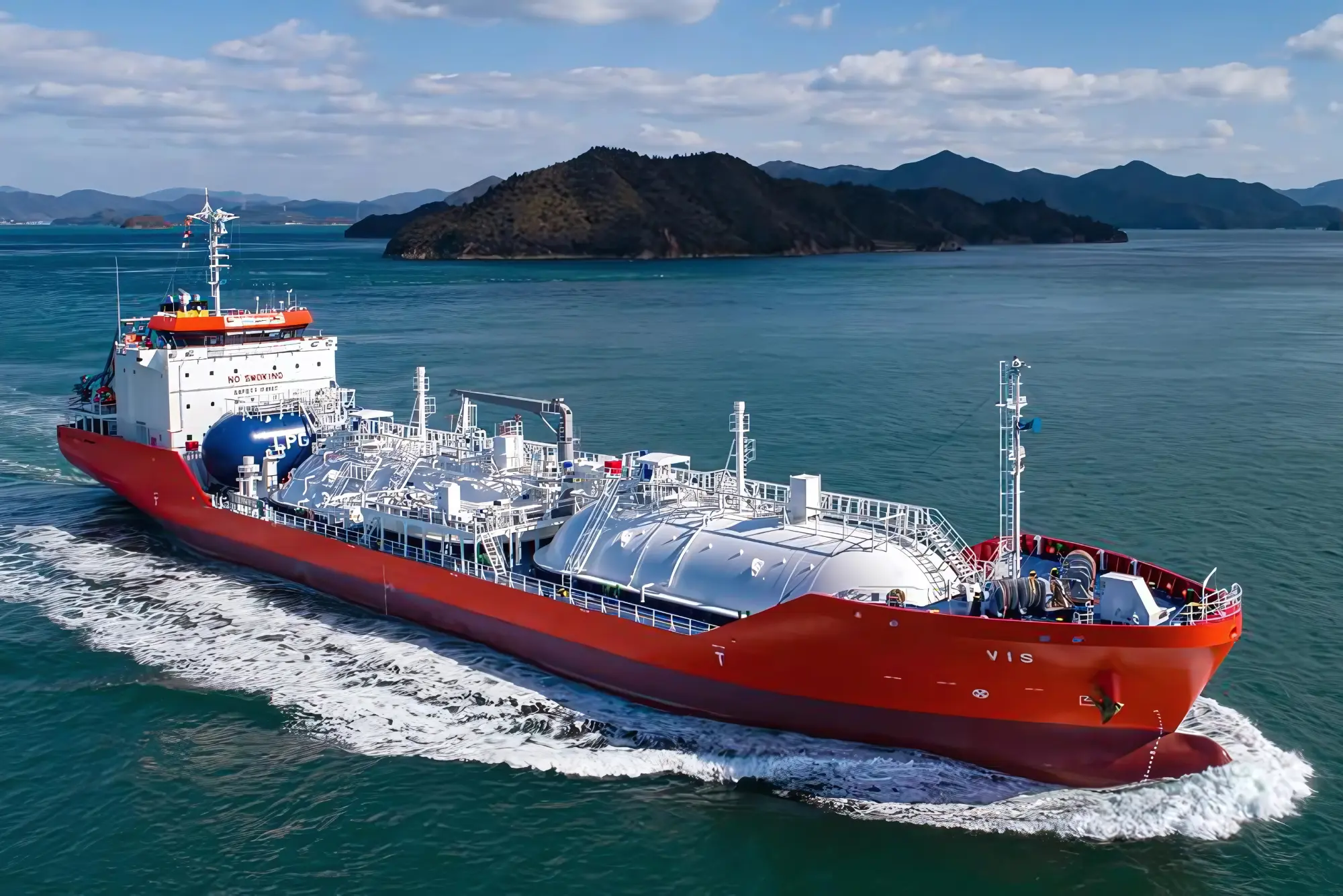
LPG Ships and Their Role in Global Trade:
An LPG ship (Liquefied Petroleum Gas ship) is a type of tanker specially designed to transport liquefied petroleum gases such as propane and butane in liquid form. These vessels are built with advanced safety measures to handle the transport of highly flammable and pressurized gases. LPG is widely used for heating, cooking, fueling vehicles, and in industrial and petrochemical sectors.
Key Features of LPG Ships:
Cargo Tanks:
LPG carriers are fitted with tanks designed to store the gas either under high pressure or at very low temperatures, depending on the cargo. The tanks are usually spherical or cylindrical to withstand pressure. Some common designs include Moss-type spherical tanks, membrane tanks, and type C tanks.
Temperature and Pressure Control:
To keep the gas in liquid form, LPG must be stored under strict temperature and pressure conditions.
Propane is usually stored at around -42°C and a pressure of 7–8 bar.
Butane can be stored at slightly higher temperatures and pressures.
Onboard systems constantly monitor and control these conditions to prevent the gas from vaporizing.
Safety Systems:
Because of the flammable nature of LPG, these ships follow strict safety standards, such as:
Pressure relief valves to avoid over-pressurization.
Double hulls for extra protection against leaks.
Gas detection and fire suppression systems.
Inert gas systems (e.g., nitrogen) to reduce explosion risks.
Cargo Handling:
LPG ships are equipped with pumps, valves, and pipelines for safe loading and unloading. At terminals, LPG is transferred through pipelines or hoses, with specialized loading arms and pumps designed to minimize leaks and ensure safe operations.
Types and Sizes of LPG Ships:
Handysize: 5,000–15,000 cbm, used for short distances and regional trade.
Medium: 15,000–45,000 cbm, for larger transport needs.
VLGC (Very Large Gas Carriers): 45,000–85,000 cbm, the most common type, used for intercontinental trade of large LPG volumes.
Global Shipping Routes:
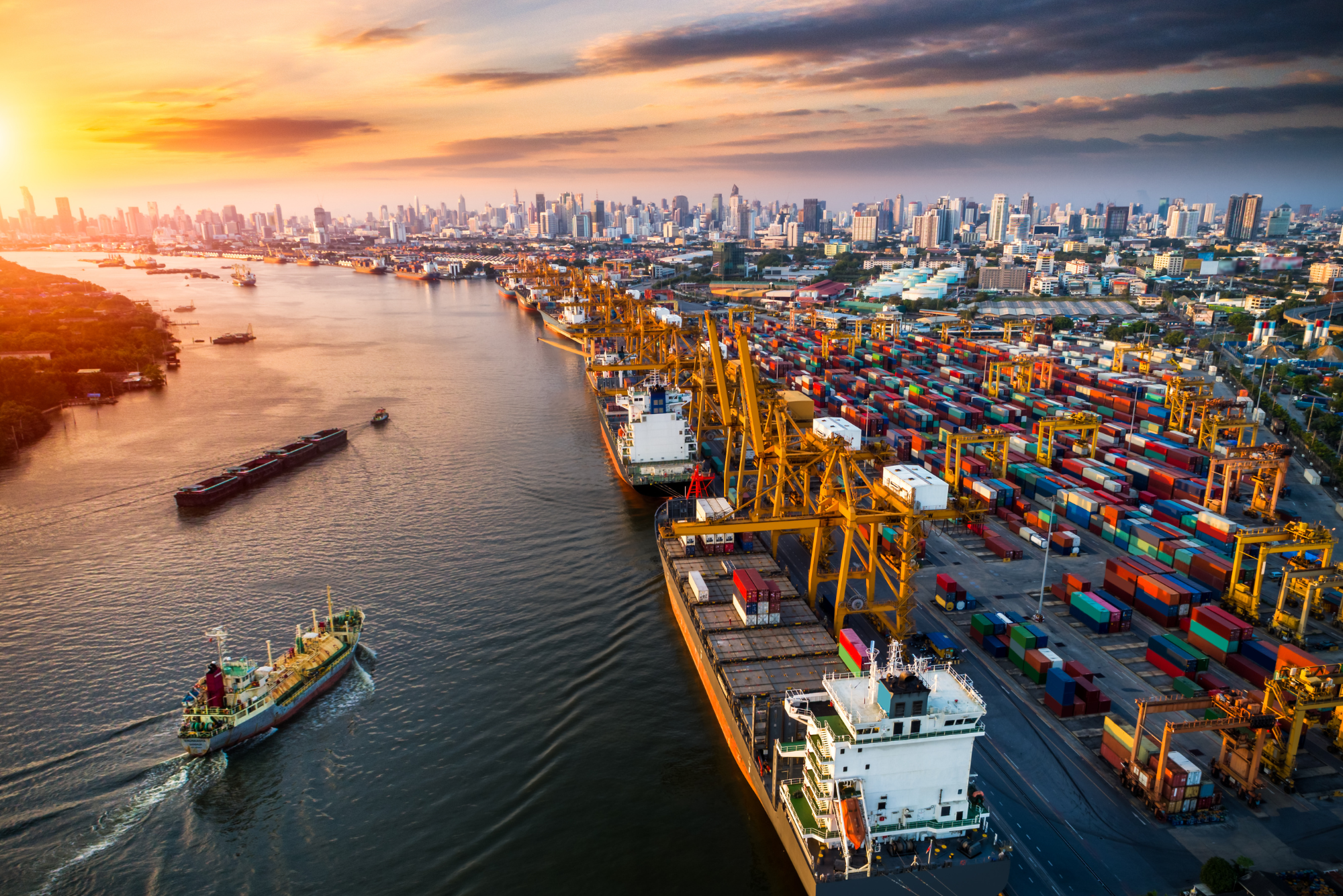
LPG carriers connect major producing countries such as the United States, Qatar, and Russia with consumer markets like Europe, Japan, and India. They dock at specialized terminals equipped to handle LPG cargo safely.
Crew and Operations:
The crew onboard LPG ships receive special training to deal with hazardous gases, focusing on gas system operations, safety procedures, and emergency response.
Environmental Aspects:
Although LPG is considered a cleaner fuel than coal or oil, LPG carriers must comply with international environmental regulations related to emissions, ballast water management, and waste handling.
In summary, LPG ships are highly specialized tankers designed to carry liquefied propane and butane safely across the world. With their advanced tank systems, strict safety features, and trained crews, these vessels play a vital role in the global energy supply chain.