
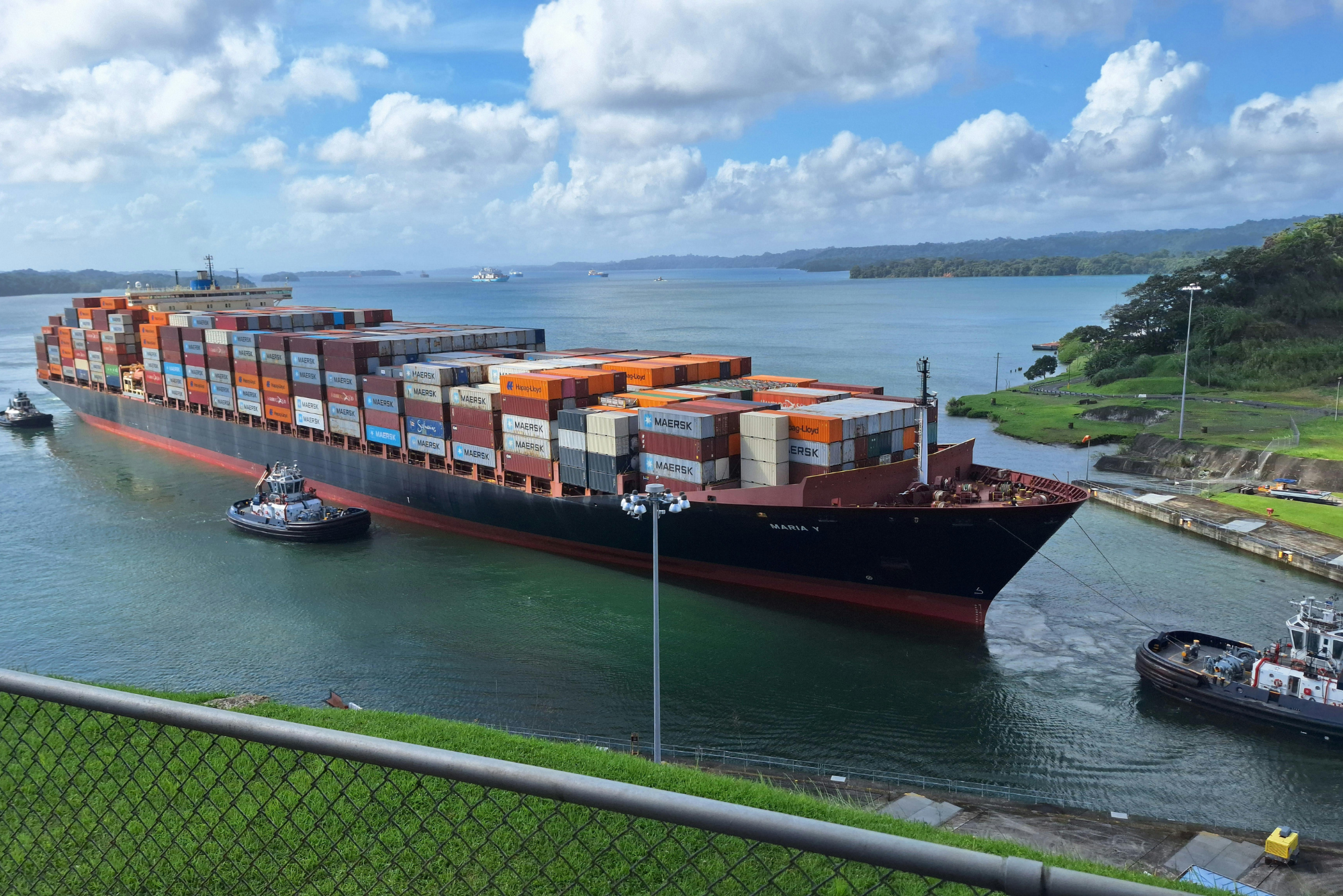
The global economy depends on moving goods across oceans. Knowing about Cargo Ship Ships is key to understanding international trade today.
These huge ships are crucial for global logistics. Learning about marine movements helps you see how products get to your local stores. Every cargo ship is important for keeping supply chains stable.
If you’re into the technical side of cargo boats or economic trends, this guide is for you. We’ll cover the basics of these ships. This will help you understand the complex world of maritime transport better.
Understanding the World of Cargo Ship Ships
Maritime transport is key to our modern economy. It helps move goods all over the world. Over 80% of global trade is carried by sea, making it crucial for supply chains.
Without these massive marine assets, we wouldn’t have many of the things we use today. This shows how important they are.
The Role of Maritime Transport in Global Trade
The speed of shipping and cargo operations is vital for the world economy. These ships move raw materials and finished products across long distances. This keeps markets supplied and prices fair.
The reliability of these routes is key for stable commerce. It’s what keeps the global economy running smoothly.
Key Terminology for Cargo Vessels and Freight Ships
Understanding the industry’s technical terms can be tough. A cargo vessel is any ship that carries goods. A freight ship is for bulk or containerised transport. Knowing these helps you understand the role of different vessels at sea.
When talking about cargo in ship logistics, knowing the right terms is important. Here’s a quick guide:
Term | Primary Function | Key Characteristic |
|---|---|---|
| Cargo Vessel | General goods transport | Versatile loading |
| Freight Ship | Bulk or containerised | High capacity |
| Cargo Ship Ships | Fleet-wide operations | Global reach |
Knowing these terms helps you talk about shipping and cargo with confidence. Whether you’re tracking cargo movements or analysing vessel performance, clear language is key.
Categorising Different Types of Cargo Boats
The maritime industry has a wide range of vessels, each designed for different goods. A cargo carrier is built to protect its cargo carefully. Knowing these categories helps us see how global trade works well.
Container Ships and Their Impact on Global Logistics
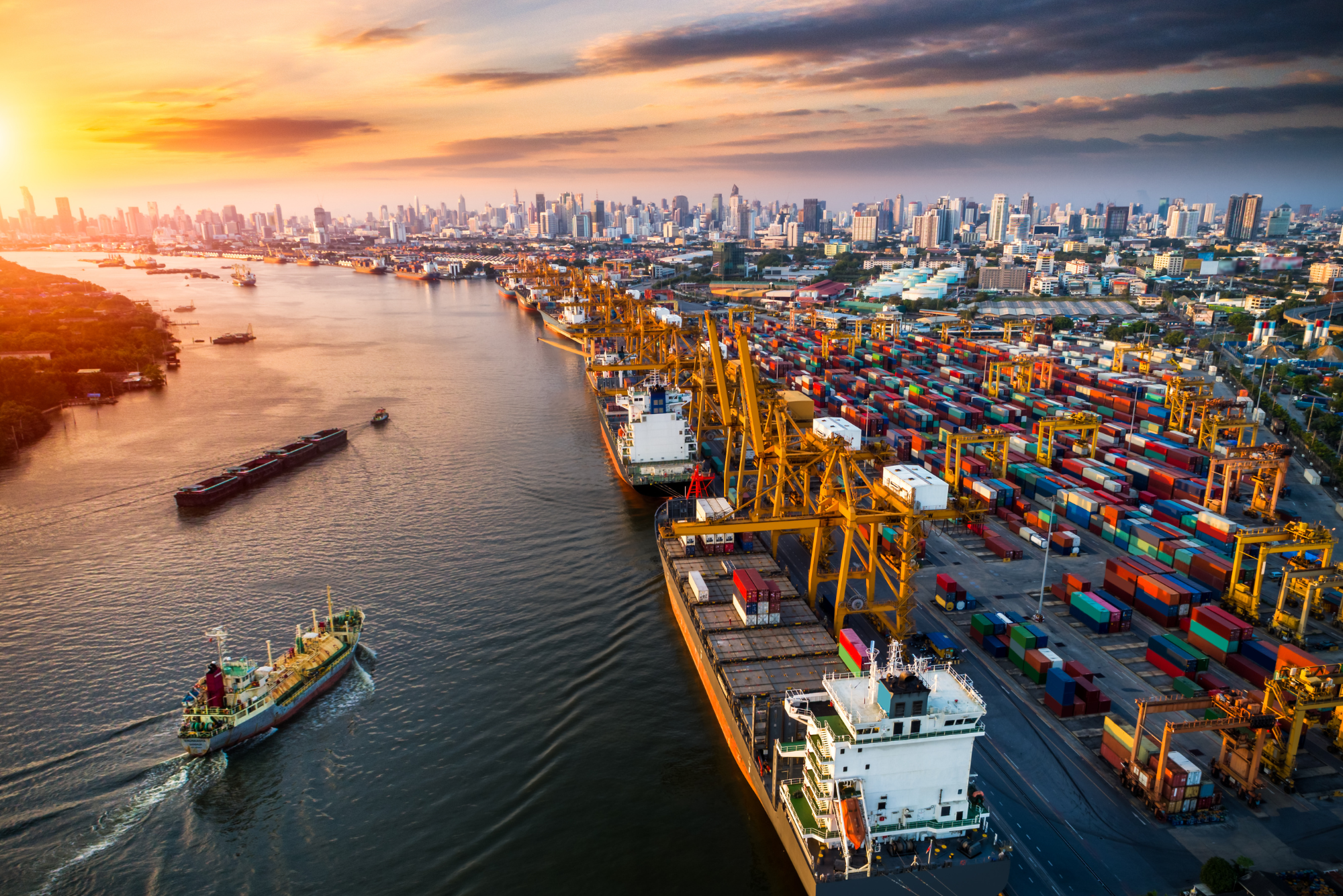
The container ship has changed how goods move around the world. They use metal boxes to keep items safe during long trips. This makes loading and unloading fast at big ports, saving time.
Bulk Carriers for Raw Materials
Bulk carriers move things like iron ore, coal, or grain. They have big, open holds for loose goods. These ships are key, moving large quantities of raw materials.
Tankers and Specialised Cargo Carriers
Specialised vessels handle goods that need extra safety or special conditions. These ships have advanced systems to avoid leaks or damage.
Chemical and Liquefied Gas Tankers
These tankers represent advanced maritime engineering. They keep cargo stable with strict control systems and high safety standards.
Refrigerated Cargo Ships for Perishable Goods
Refrigerated vessels (reefers) are essential for transporting food. They maintain temperature to keep products fresh over long distances.
Vessel Type | Primary Cargo | Key Feature |
|---|---|---|
| Container Ship | Manufactured Goods | Standardised Units |
| Bulk Carrier | Raw Commodities | Open Holds |
| Reefer | Perishables | Temperature Control |
The right cargo vessel depends on the goods being transported. Each plays a crucial role in global trade.
Analysing Modern Marine Movements and Shipping Routes
Navigating the oceans requires deep knowledge of marine movements. Global trade depends on thousands of ships working together to ensure goods arrive on time.
How Shipping Movements are Tracked and Managed
Modern shipping uses advanced satellite technology and AIS tracking systems. This allows real-time monitoring of vessel locations.
The Importance of Major Maritime Chokepoints
Maritime chokepoints are narrow but critical routes. Locations like the Suez Canal and Strait of Malacca are essential for global trade.
Any disruption can cause delays worldwide, making strategic planning necessary.
Technological Advancements in Vessel Navigation
Digital innovation is improving maritime operations. AI-powered systems help optimise routes, reduce fuel use, and minimise environmental impact.
Economic Factors Influencing Cargo Ship Price and Operations
The maritime industry is shaped by many economic factors. Cargo ship prices depend on fuel costs, market demand, and regulations.
Market Trends Affecting the Cost of Cargo Carriers
Global demand influences shipping value. When demand rises, ship value increases. Key factors include:
The Evolution of the Biggest Container Vessel in the World
Larger ships have reduced transportation costs. Modern mega-ships carry more cargo in fewer trips, improving efficiency.
Operational Costs and Fuel Efficiency in Modern Shipping
Fuel efficiency is critical today. New ship designs focus on reducing emissions and operating costs while maintaining performance.
The vast network of maritime trade is the silent engine of our modern world. Every ship crossing the ocean is part of a complex chain that keeps industries running and markets supplied.
Technological progress continues to improve tracking, efficiency, and sustainability. Leading companies like Maersk and MSC are driving innovation in this field.
Stay curious about how goods travel across the globe and the innovations shaping the future of maritime transport.
Why are cargo ship ships so essential to the modern global economy?
Cargo ships carry over 80% of global trade by volume. They ensure the smooth flow of goods and maintain stable supply chains.
What is the difference between a cargo vessel and a freight ship?
A cargo vessel carries any type of goods, while a freight ship is specialised for bulk or heavy loads.
How is cargo safety maintained during long voyages?
Safety depends on ship design and technology. For example, container locks and refrigeration systems protect goods effectively.
Which is the biggest container vessel in the world?
The MSC Irina is currently one of the largest container vessels, with over 24,000 TEU capacity.
What factors influence cargo ship prices?
Key factors include material costs, technology, fuel efficiency, and global demand.
How are modern shipping movements tracked?
Ships are tracked using AIS and satellite systems, providing real-time global monitoring.