
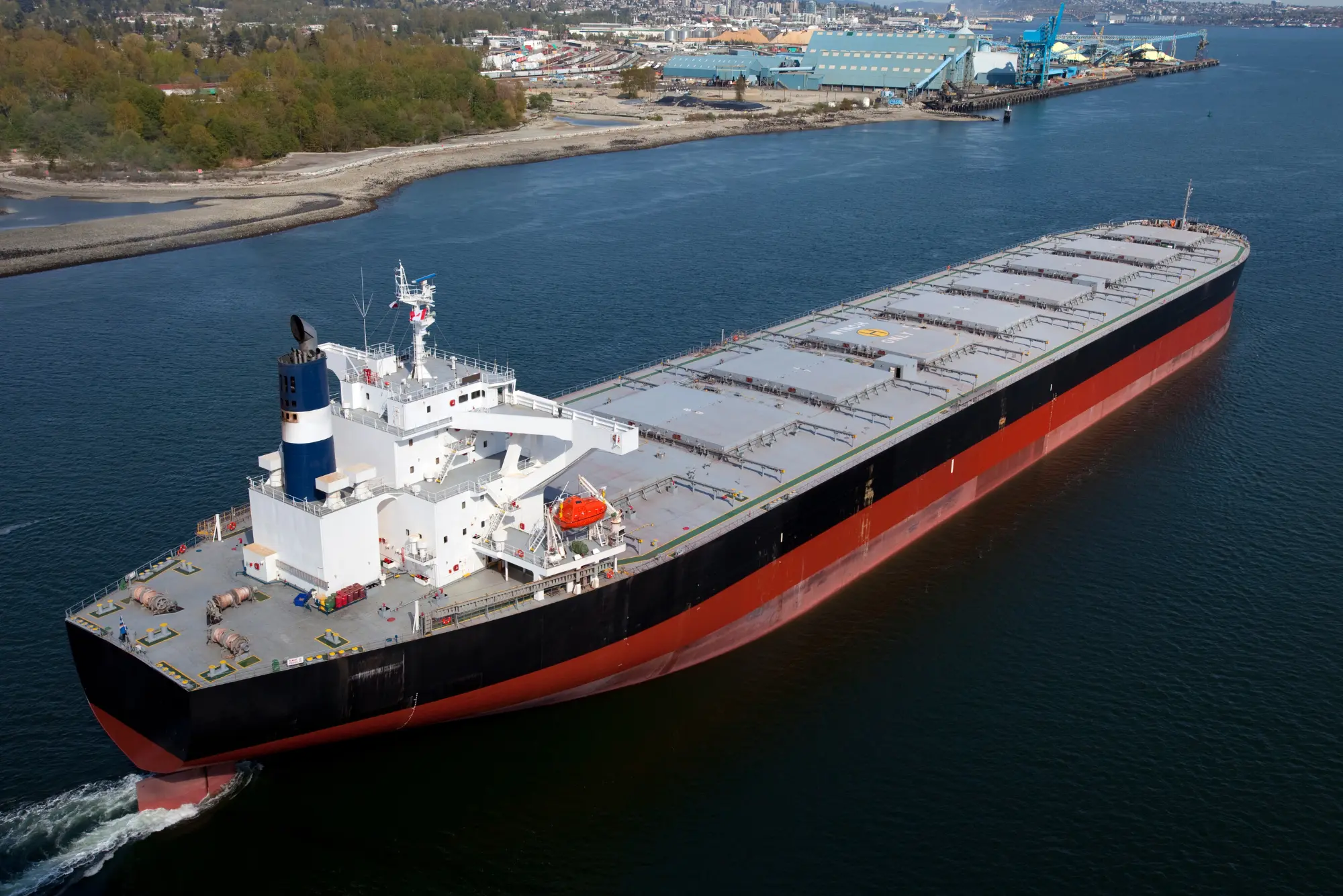
A bulk carrier is a large cargo ship designed to transport unpackaged bulk materials such as coal, grain, iron ore, cement, and other raw commodities. Unlike container ships that move goods in individual containers, bulk carriers transport loose cargo in very large quantities.
Key Features of Bulk Carriers:
Design:
Bulk carriers are built with wide cargo holds divided into multiple sections, making it easier to load and store different types of bulk materials. These holds are covered with hatches that can be opened and closed to facilitate loading and unloading.
Types of Bulk Carriers:
Handysize: Small bulk carriers with capacities between 10,000 and 40,000 DWT, suitable for smaller ports and narrow canals.
Supramax: Medium-sized bulk carriers ranging from 50,000 to 60,000 DWT.
Panamax: Designed to fit the Panama Canal, usually between 60,000 and 80,000 DWT.
Capesize: Very large bulk carriers, over 150,000 DWT, too big for the Panama Canal, mainly used for long-distance transport of iron ore and coal.
Cargo:
Bulk carriers transport a wide variety of goods, including:
Grains: Wheat, corn, rice, and other crops.
Minerals: Iron ore, coal, bauxite, and other raw materials.
Cement: Shipped in bulk for construction use.
Other dry bulk: Salt, fertilizers, and steel products.
Loading and Unloading:
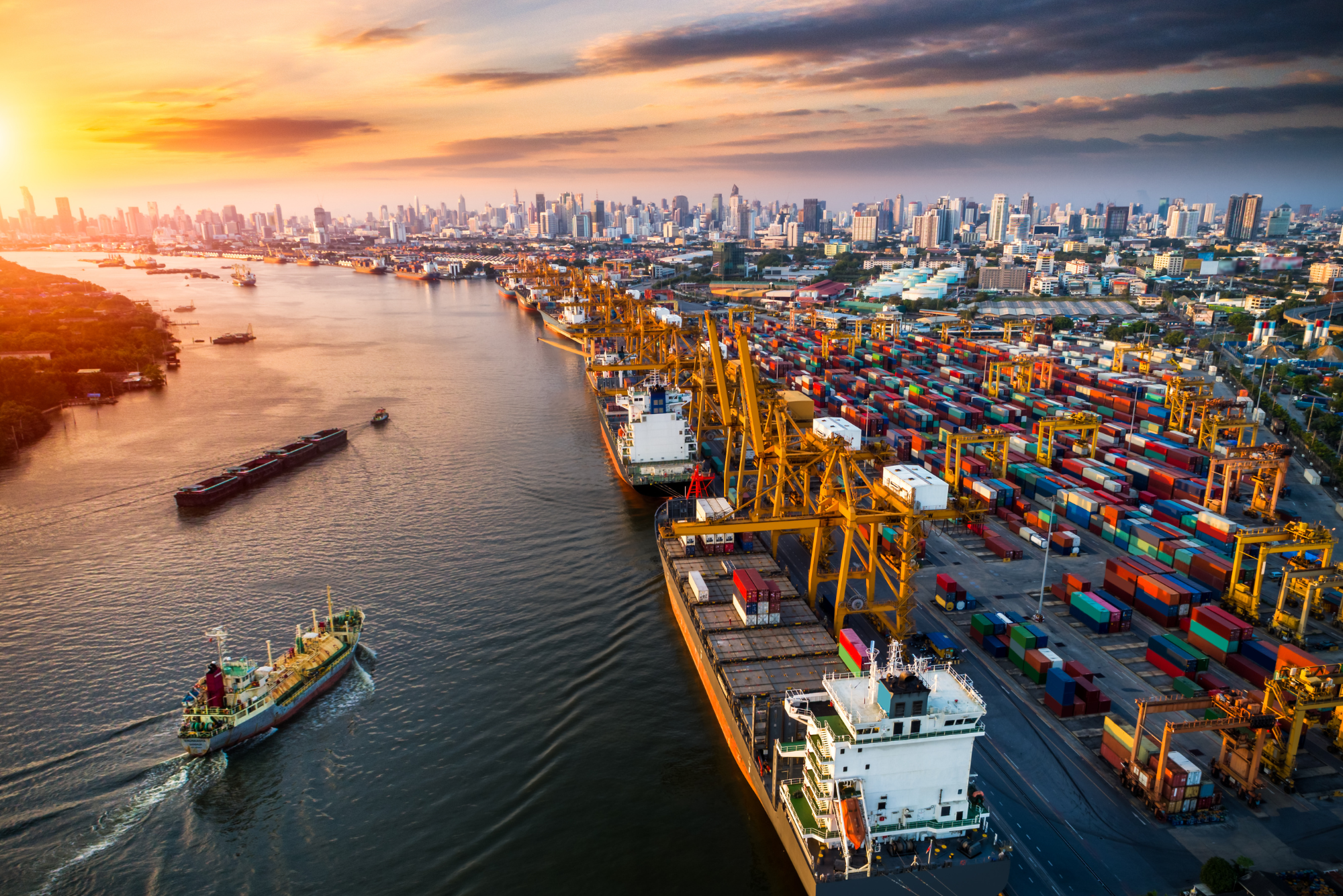
Specialized port equipment such as cranes, conveyor belts, and hoppers are used to load and unload bulk carriers. Depending on the cargo and vessel size, the process can take several hours.
Size and Capacity:
The size of bulk carriers varies widely, from small vessels of around 10,000 DWT to massive ships that can carry more than 400,000 DWT. The choice of vessel size depends on the type of cargo and the capacity of the ports it serves.
Operations:
These ships usually follow fixed trade routes, connecting major producers like Brazil, Australia, or the U.S. with markets worldwide. They ensure the steady flow of raw materials essential for global industries.
Fuel Efficiency:
Bulk carriers are designed to maximize cargo space while reducing fuel consumption, as they often travel long distances carrying massive loads. Efficiency is a key factor in lowering operational costs.
Conclusion:
Bulk carriers are essential to global trade, ensuring the transport of raw materials that power industries such as construction, agriculture, and energy. Their size, capacity, and efficiency make them a cornerstone of maritime shipping.