
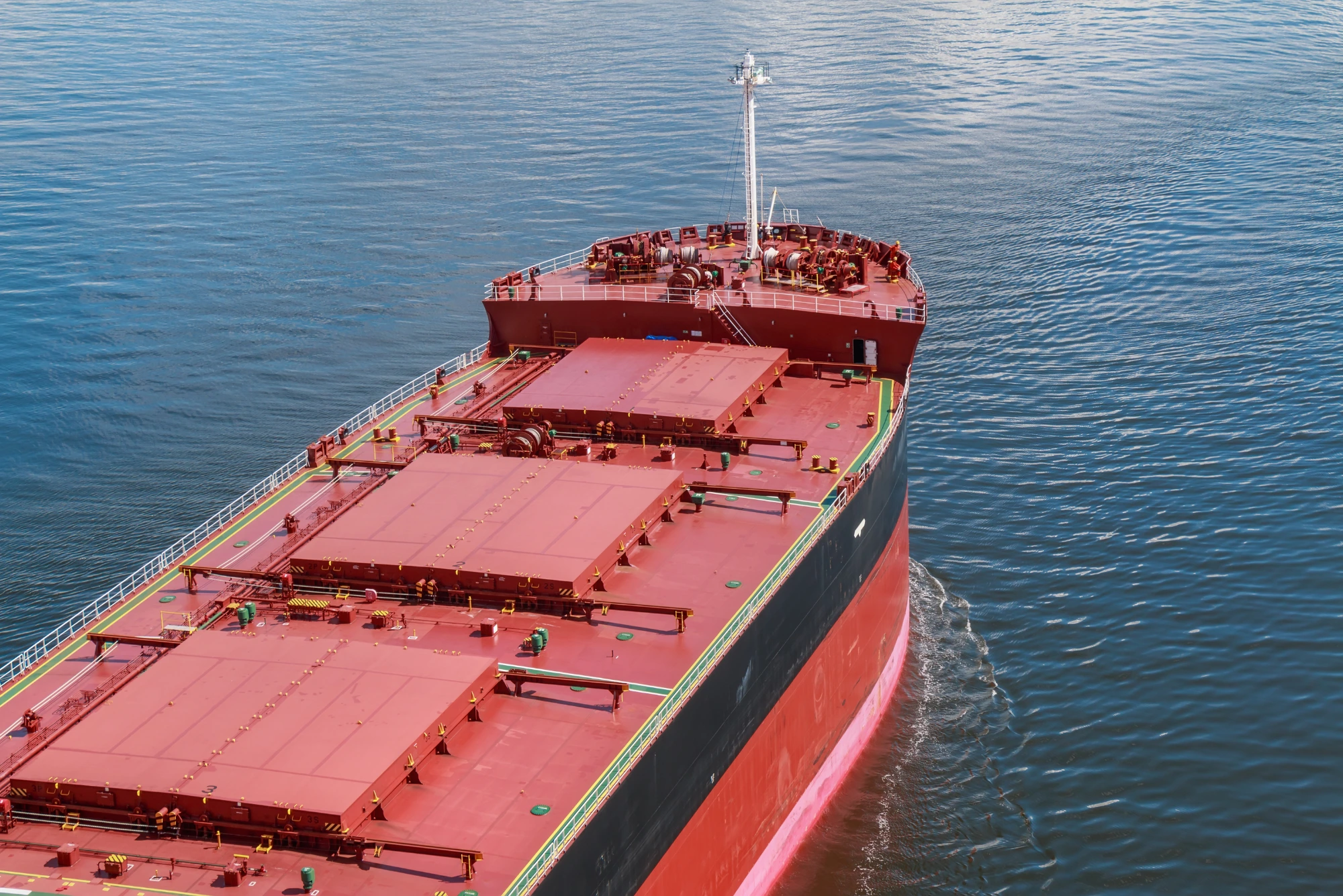
An oil tanker is a large vessel designed specifically to transport liquid cargo, mainly crude oil or refined petroleum products, across oceans and seas. These ships are built to carry large volumes of oil safely and efficiently, ensuring the cargo remains secure to prevent spills or accidents during transport.
Key Features of Oil Tanker Vessels:
Design:
Oil tankers have hulls divided into multiple compartments or tanks to store different types of oil. These tanks reduce the risk of spills by preventing the oil from moving excessively, even in rough seas.
Types of Oil Tankers:
Crude Oil Tankers: Carry unrefined crude oil from extraction sites to refineries.
Product Tankers: Transport refined products such as gasoline, diesel, jet fuel, or chemicals.
Size and Capacity:
Tankers vary in size, from smaller ships around 10,000 deadweight tons (DWT) to massive supertankers like Ultra Large Crude Carriers (ULCCs), which can carry over 500,000 DWT. The choice of size depends on the shipping route and the volume of oil being moved.
Safety Features:
To minimize environmental risks, oil tankers are equipped with advanced safety measures, including double hulls, modern navigation systems, and equipment to prevent overflows and leaks.
Operations:
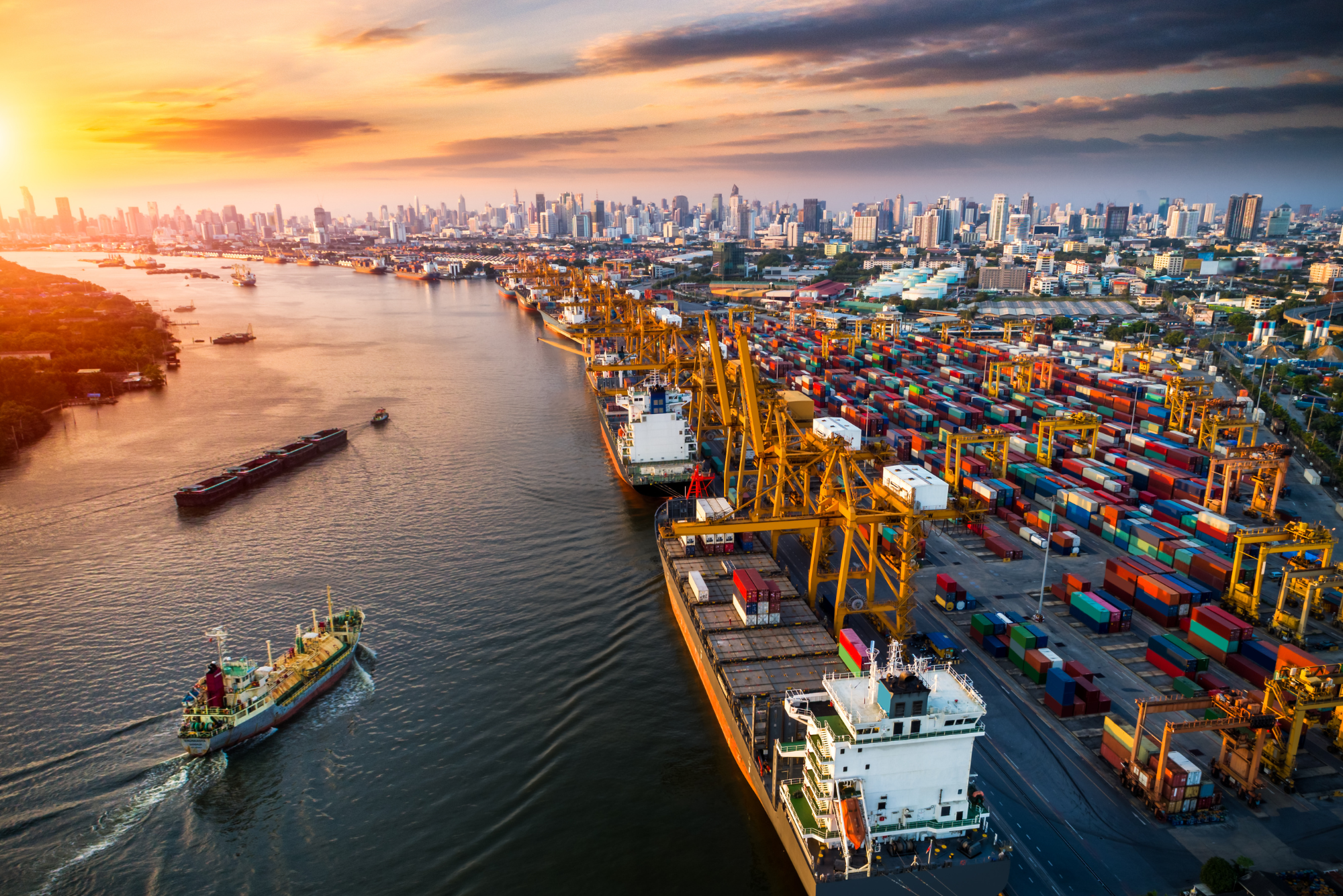
Oil tankers operate along major global shipping routes, moving oil from producing regions, such as the Middle East or Africa, to consumer markets in the U.S., China, Europe, and other regions. They may be owned by shipping companies or oil corporations.
Conclusion:
Oil tankers are vital for the global energy supply chain, enabling the safe and efficient transport of crude oil and petroleum products across the world. Their design, size, and safety systems make them essential in meeting the world’s energy demands.