
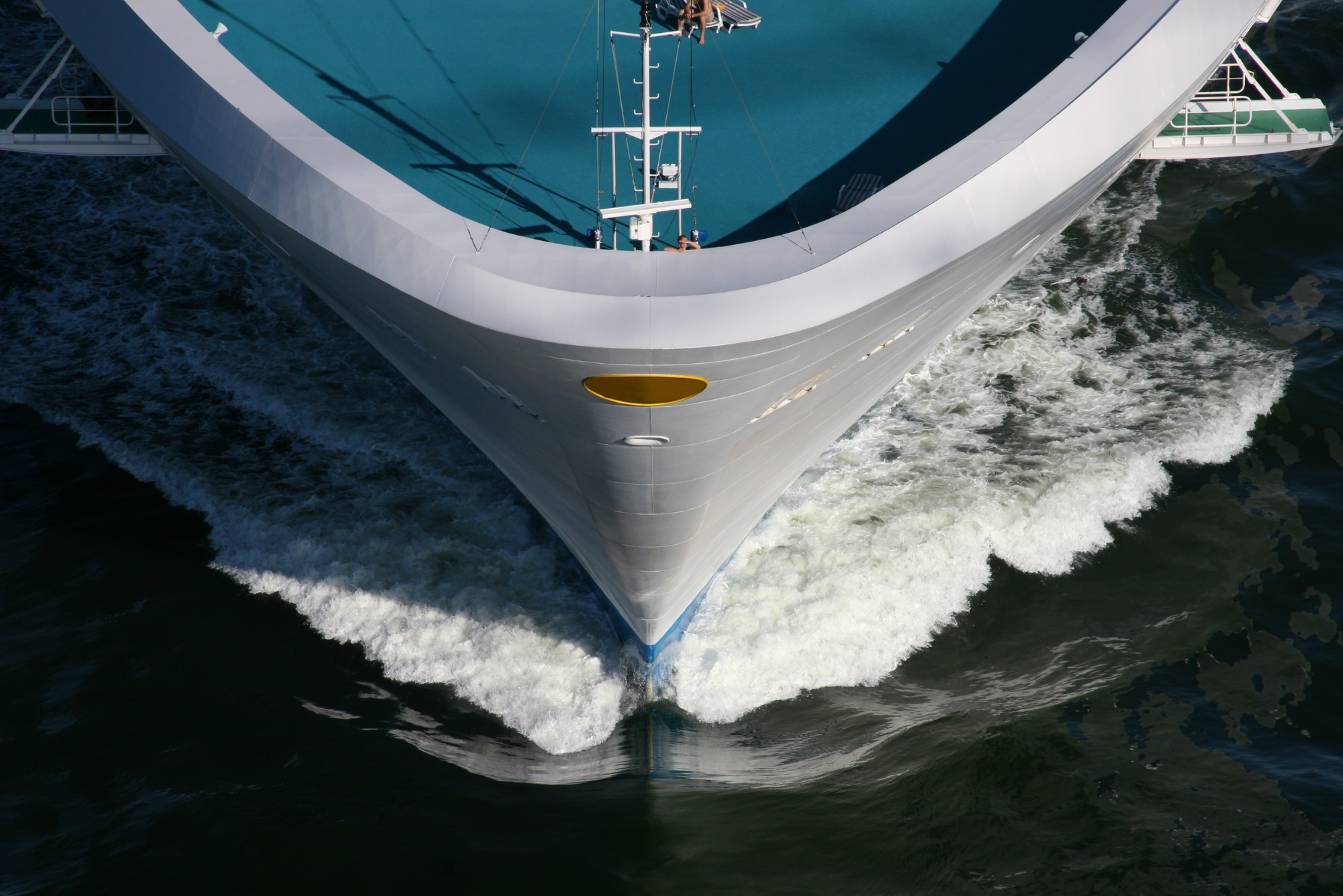
When a crisis hits at sea, keeping everyone safe is the top goal. Recently, a Southampton cruise ship evacuated its passengers due to unexpected technical issues.
It’s interesting to see how these big operations work in one of the UK’s busiest ports. Swift coordination between the crew and local authorities is key to keeping things calm.
Learning about these safety steps helps us understand how you’re protected at sea. This event shows the hard work and training that ensures a smooth response to emergencies.
When a southampton cruise ship evacuated, it shows how complex maritime safety is. The main aim is to keep everyone safe. The captain and port authorities face huge pressure in these moments.
Events unfold in a set order to keep things orderly. Quick communication is key to success in local waters. Here’s what happens when a cruise ship faces an emergency:
Handling an emergency is a big challenge. Moving thousands of people safely is hard, especially in a small port area. The size of the ship makes it even harder.
Deciding to evacuate is a big decision. It needs a good understanding of maritime laws and safety rules. Each southampton cruise ship evacuated case helps improve the industry. They show why quick decisions are crucial for maritime workers.
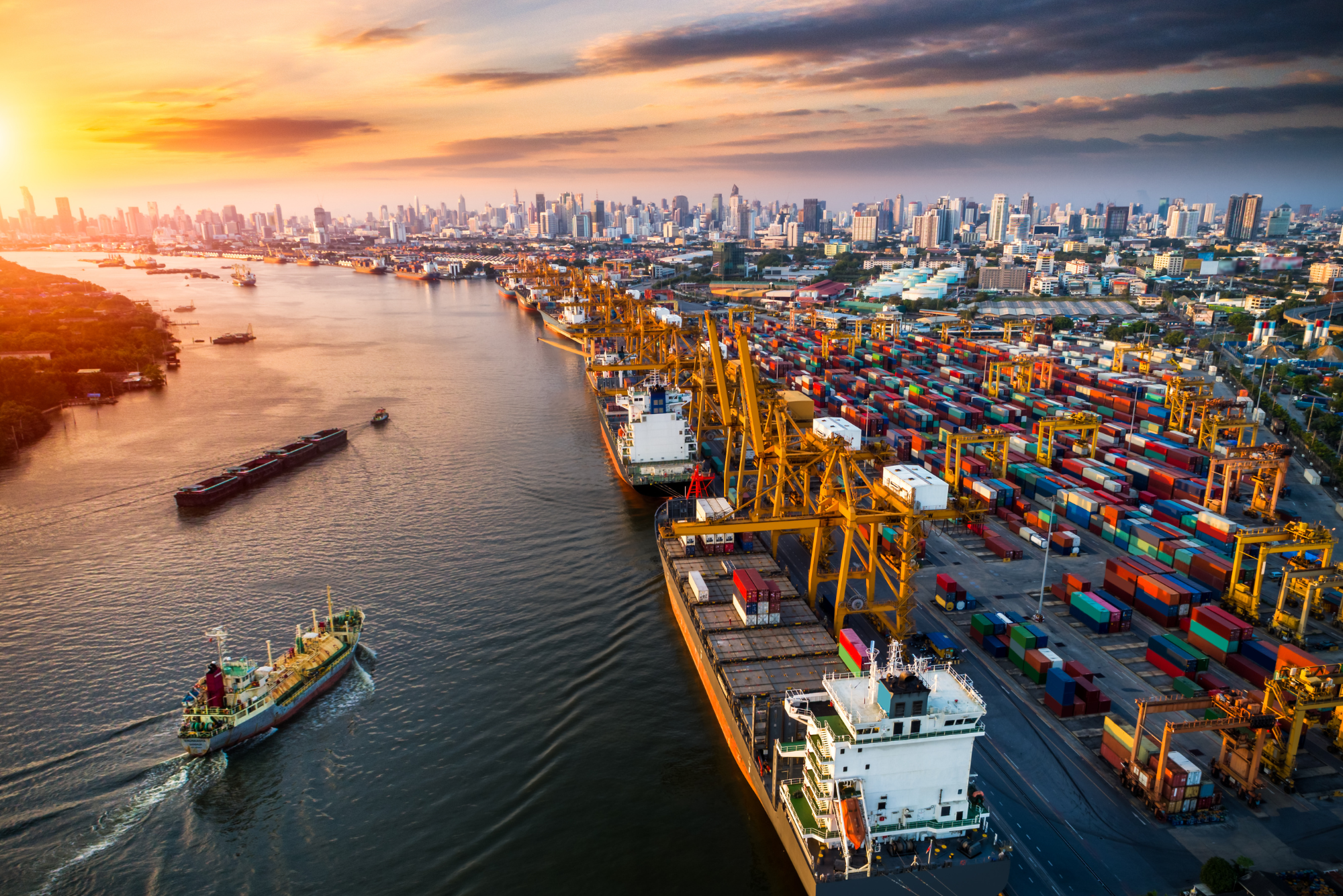
Millions of passengers go through Southampton every year. It’s a cornerstone of the UK cruise sector. The port handles a huge amount of traffic with great skill.
Its location is perfect for big maritime tasks. The deep-water channels let even the biggest cruise ship vessels dock safely. This is key for keeping the maritime network running smoothly.
The port has a strong infrastructure for handling big ships. It has:
These services make the port a leader in maritime safety. It uses modern tech and years of experience. This creates a safe place for all travellers. You can count on these systems to keep things safe and orderly during any maritime task.
Safety at sea is all about a systematic approach. It makes sure every passenger is safe during emergencies. Whether you’re leaving a big port or in the middle of a journey, a southampton cruise ship evacuation follows strict rules. These rules help every ship stay ready for any crisis.
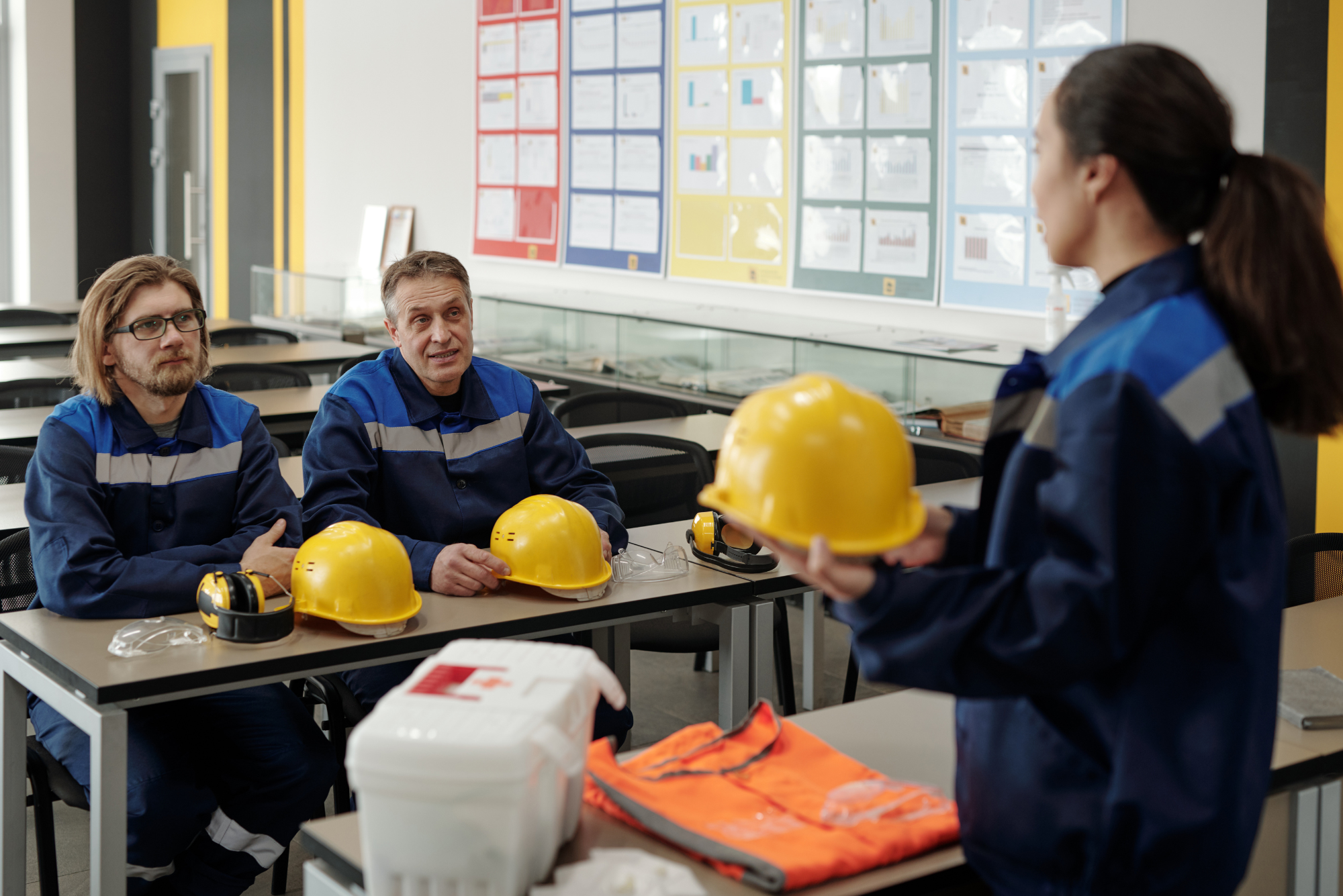
Every crew member gets special training for emergencies. They do regular drills to learn how to guide passengers to muster stations quickly. This training is crucial, as it turns complex steps into quick actions in stressful times.
“The safety of life at sea is the primary responsibility of every captain and crew member, requiring constant vigilance and adherence to established protocols.”
When a cruise ship evacuation starts, a clear plan is followed. Passengers go to their muster stations, where crew members do a headcount. This careful check makes sure no one is left behind, keeping everyone’s safety the absolute priority.
Modern tech is also key in these steps. Digital systems and clear communication help the bridge keep track of every deck in real-time. This mix of human skill and tech ensures a southampton cruise ship evacuation is managed well.
Your help during drills is crucial for a cruise ship evacuation to work. By knowing the safety tips in your cabin, you help keep everyone safe. Being informed is the best way to have a safe and fun trip.
When a crisis hits the sea, emergency services spring into action. They work together smoothly, thanks to the seamless coordination between the ship’s crew and local authorities. This teamwork ensures everyone’s safety on board.
As soon as an alert is sent out, a team of experts jumps into action. This team includes the Maritime and Coastguard Agency, local police, and medical teams. They bring the resources needed to handle the situation and keep order.
“Safety at sea is not merely a set of rules, but a culture of constant vigilance and professional cooperation that protects every soul on board.”
These complex safety layers are set up to prevent problems before they start. Each group follows strict rules to keep communication clear and consistent. This is the heart of modern maritime safety standards.
The aim is to keep things under control and solve emergencies quickly. By combining the ship’s knowledge with support from the shore, authorities can tackle tough situations with skill and care.
Have you ever wondered how cruise lines keep thousands calm during an emergency? Effective communication is key. It’s the main tool for keeping order when trouble hits at sea. It’s the heart of any good crisis management plan, making sure everyone knows what to do.
When trouble strikes, info must be shared quickly and clearly. Cruise lines use loudspeakers, digital signs, and crew talks to reach everyone. Clear instructions stop panic by stopping false rumors.
Being open is crucial in crisis management. You should get updates fast. Knowing what’s happening makes you feel safer and more in the loop. Honest updates from leaders build trust and help everyone follow safety steps better.
The aim is to turn uncertainty into clear action. Keeping messages consistent helps everyone know their part and where to go. This careful way of talking keeps things stable, even when things go wrong.
Effective crisis management puts people first in all safety plans. When a cruise ship evacuation is needed, the crew’s main goal is your safety and comfort. They aim to reduce stress and keep care standards high.
Medical help is key in these emergency plans. Trained staff quickly help those who need it most. Your health is the absolute priority, and cruise lines work with local hospitals for ongoing care.
After you’re off the ship, your comfort and support are the focus. Cruise operators work with local authorities to provide you with a place to stay and food. They make sure you’re not left without help during this time. Here are some key services they offer:
The human side of crisis management is supported by welfare teams. These teams help with the emotional impact of a cruise ship evacuation. You are never alone, as staff work hard to address your concerns and help you get back home or to your next stop.
A southampton cruise ship evacuation causes big problems. It means the cruise line has to deal with a lot of money and planning issues. They often have to change or cancel trips to get the ship back on track.
When a southampton cruise ship evacuated, it affects more than just the ship. Ports, transport, and local businesses have to work fast to handle the extra people. This is a big test for the cruise industry.
Getting back to normal is key, but it takes careful planning. Cruise lines work hard to keep your holiday plans on track while following strict rules. They do things like:
The main aim is to keep everyone safe and try to make things as smooth as possible. Cruise lines focus on clear communication and using resources well to get back to normal fast. A good response to an southampton cruise ship evacuation needs to balance safety and customer care.
When you step onto a cruise ship, you’re covered by a complex set of global maritime laws. These rules are in place to make sure maritime safety is always the top priority. You can travel with peace of mind, knowing strict laws govern your safety.
The International Convention for the Safety of Life at Sea, or SOLAS, is at the heart of these rules. It requires ships to carry enough life-saving gear, like lifeboats and jackets, for everyone on board. Compliance is not optional; it’s a must for any cruise line to stay in business.
“The safety of passengers and crew is the cornerstone of all maritime operations, requiring constant vigilance and adherence to international standards.”
But it’s not just about the gear. Crew members must also get regular training. They need to know how to handle emergencies. This focus on maritime safety means help will come fast and be well-organised, putting your safety first. You’re protected by these laws, which make sure cruise operators keep their promises to you.
Feeling more confident on your travels is easier knowing the industry learns from every challenge. Analysing past incidents is key for better maritime safety worldwide. Cruise lines find ways to improve by looking at recent investigations.
These investigations lead to better crew training and new technology. Good crisis management means being ready for anything at sea. Data from emergencies helps make safety protocols better for you and others.
The industry keeps getting better through these lessons. Every new thing learned makes your future holidays safer. Here’s how ship security has improved in key areas.
| Focus Area | Previous Approach | Modern Improvement |
|---|---|---|
| Communication | Manual reporting | Automated digital alerts |
| Crew Training | Basic drills | Advanced simulation exercises |
| Evacuation Tech | Standard lifeboats | High-capacity marine evacuation systems |
| Safety Oversight | Periodic audits | Real-time monitoring systems |
Your holiday starts long before you get on the cruise ship. Being proactive about your safety lets you relax and enjoy the trip. You’ll feel confident and carefree.
Start by getting to know the ship’s layout as soon as you arrive. Find your muster station in your cabin right away. Knowing where to go in an emergency keeps you calm and avoids confusion.
Don’t miss the safety drill before you leave. It teaches you about life jackets and how to evacuate the ship. Take this briefing seriously to be fully ready.
To stay safe on your journey, follow these steps:
Being a prepared passenger means you’re ready for anything at sea. Knowing how to evacuate the ship makes everyone safer. Your awareness is key to a safe and fun cruise ship experience.
Dealing with a Southampton cruise ship evacuation shows how important maritime safety is. Companies like P&O Cruises and Cunard focus on keeping you safe. They do this through constant training and drills.
By staying alert, you help keep everyone safe. Learn where the emergency muster stations are when you get on the ship. Knowing these steps helps you relax as you see new places.
Being prepared is your best ally for a great trip. Always check for the latest safety rules from your cruise line. Your safety efforts help keep the travel industry at its best. So, go ahead and enjoy your next journey, knowing you’re ready for anything.